
Welcome to the first of a series of posts aimed to help you with this year’s solar cars and boats. In this instalment we’ll briefly cover a few of the key rules for 2026 and give a bit more information about them. Before carrying on please have a read of the full regulations at:
www.tassolarchallenge.org/regulations
We’re not going to go over every single rule here, since some are pretty straight forward and self-explanatory (ie maximum dimensions), but instead look at what’s going to have the biggest influence on your overall design. We’ll cover the most important areas in a bit more detail in their own upcoming post. We also recommend checking out the TMSC kits page and the kit instructions for some other information about building your solar car or boat.
Cars
1) Perhaps the rule with the most impact on your design for this year is the 2000 cm3 rectangular prism. This plays a major role and will need to be carried on board in all of your races. Participants must construct their own box and may choose any set of dimensions as long as they meet the specified 2000 cm2 volume. Our tip is to keep down the frontal area and make it as light weight as possible. Try aiming for sub 20g. Your prism may be hollow and use any one or combination of materials but can’t have open sides when racing to let air pass through. A stick frame in of itself would not be allowed but be ok if covered in a film or tissue paper. A folded paper box would be acceptable if rigid enough to hold its shape. 3D-printing your entire prism will likely be too heavy even with ultra-thin side walls.
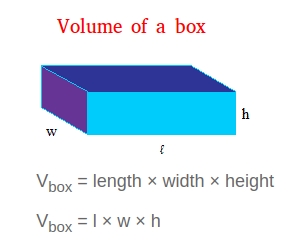
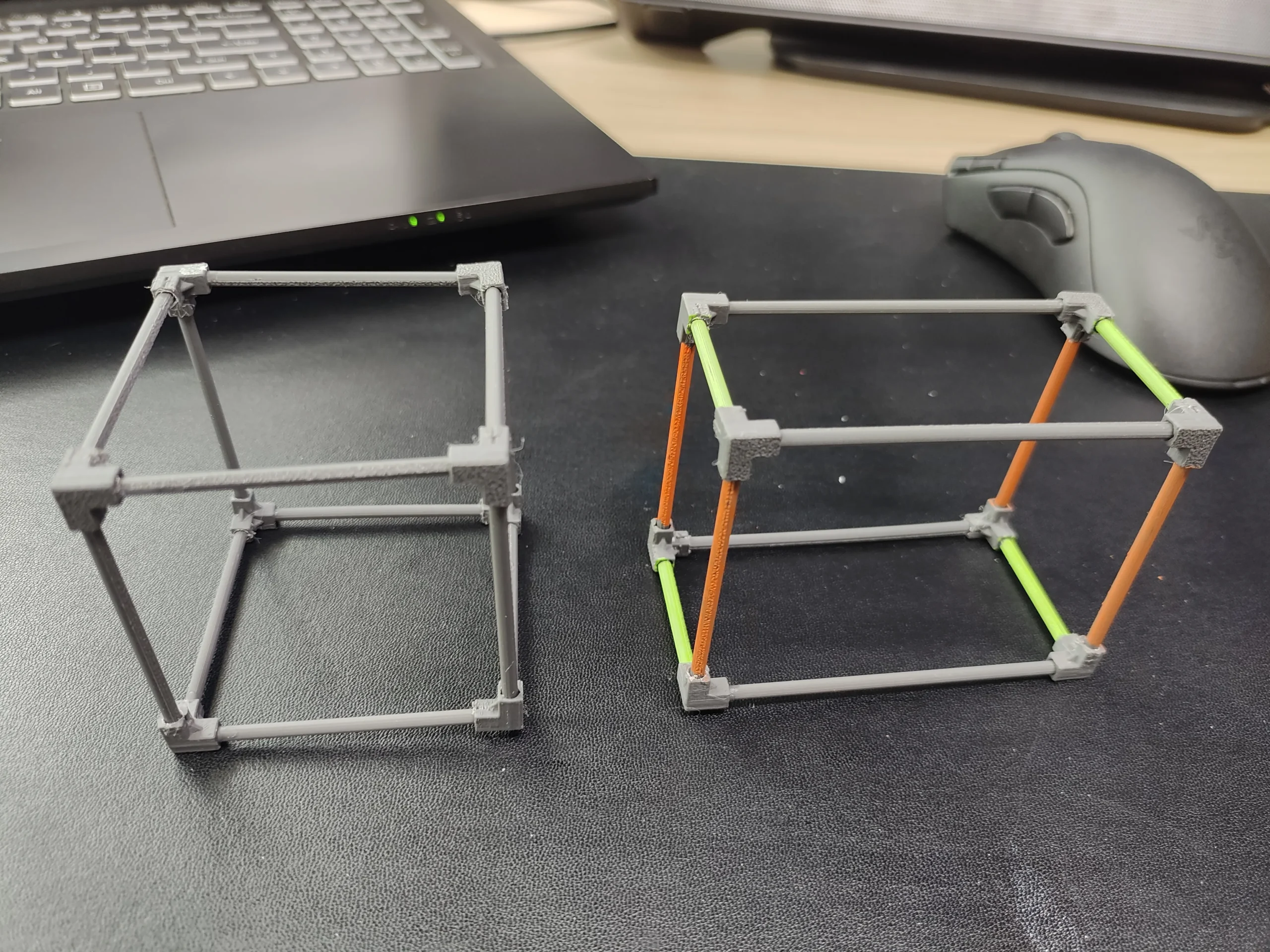
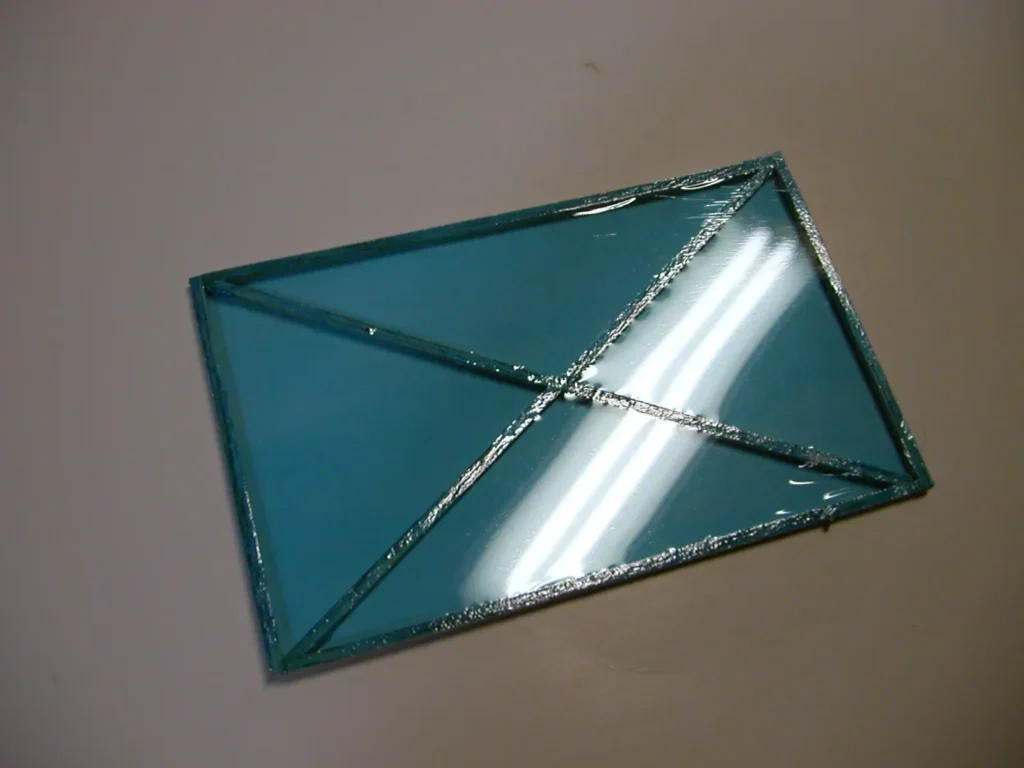
(Above left) Determining the volume of your prism is simple but what dimensions are you going to settle on? (Above centre) The box may be hollow but frames like these with open sides will not be allowed. (Above right) A stick frame covered in a film is permitted since it no longer allows any air to pass through when racing.
You may either carry the prism in or on the car or have it make up part of the body itself (providing it can still be easily removed and handed to Scrutineers to check at the event). The aerodynamics of the box itself will be poor so you’ll want to add streamlining for better airflow around your car.
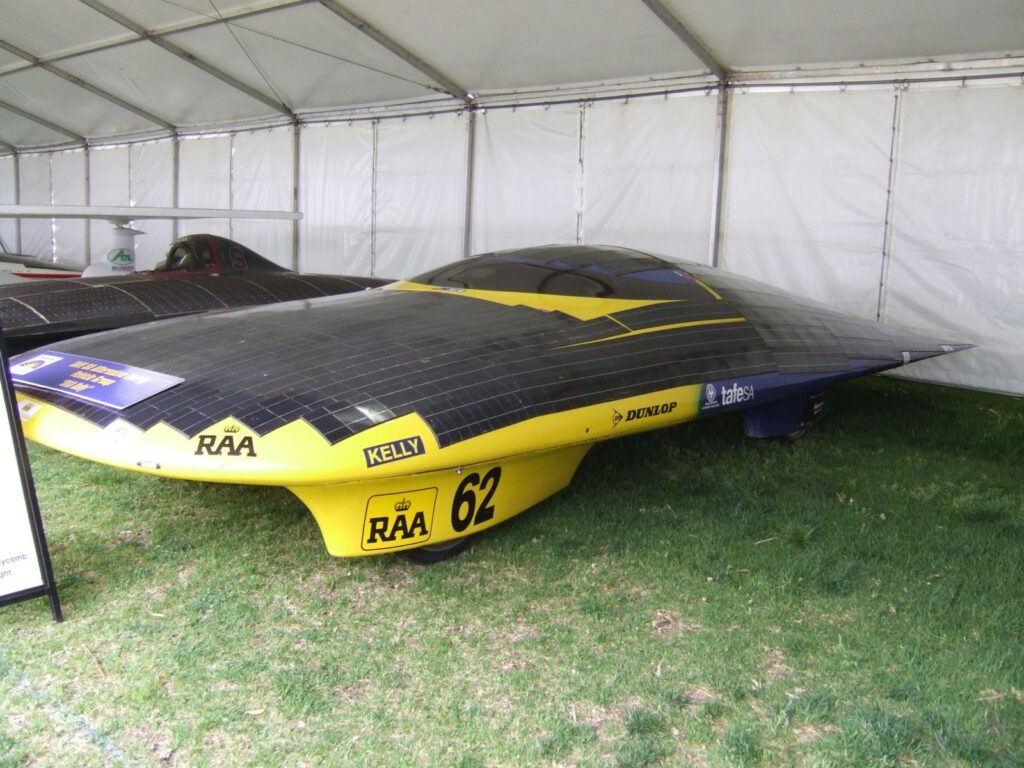

Will your box sit inside a continuous body like the solar car (above left) or make up part of the body and have streamlining added like in this example of a 2017 Toyota Prius with an attached tail for improved mileage (above right)?
2) This year’s “driver” will continue to be a 4.5” wooden manakin. There’s no specified make so you’re welcome to source one from anywhere you like. Places like Officeworks or Spotlight generally stock these locally or you’ll find them available online. Somewhere like aliexpress will probably offer the lowest price if you buy several and qualify for free shipping but be prepared to wait a little while for them to arrive.
www.officeworks.com.au/…/born-mini-manikin-4-5…
www.aliexpress.com/item/1005006527694464.html
The driver’s sitting position will be checked by Scrutineers. Lying down completely flat won’t be permitted but you can certainly use a heavily reclined position similar to that of an F1 driver.
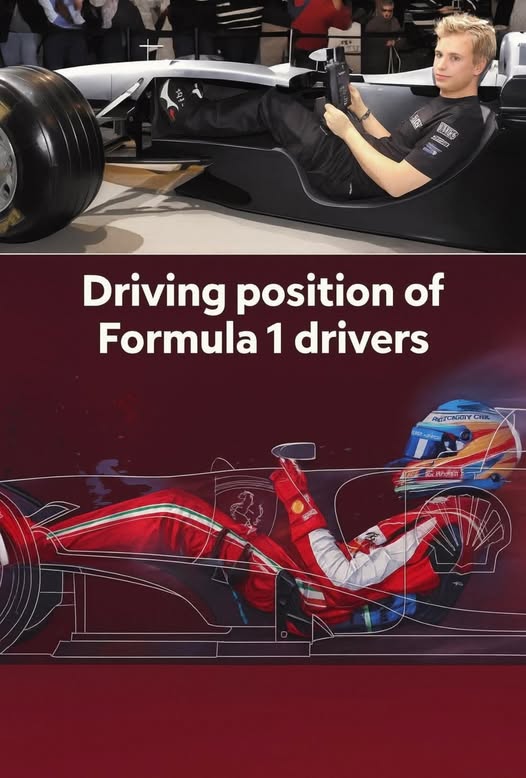
(Above) The manakin driver will not be allowed to lie completely flat but can take on an aggressive racing position such as the one seen in an F1 car.
The driver may be seated out in the open and have the air flow over them but you’d likely be able to improve your car aerodynamics with them sitting in some kind of an enclosed cabin or cockpit with a clear windshield. You’ll need to make sure that your manakin can see where they’re going by giving them 180 degrees side-to-side visibility.
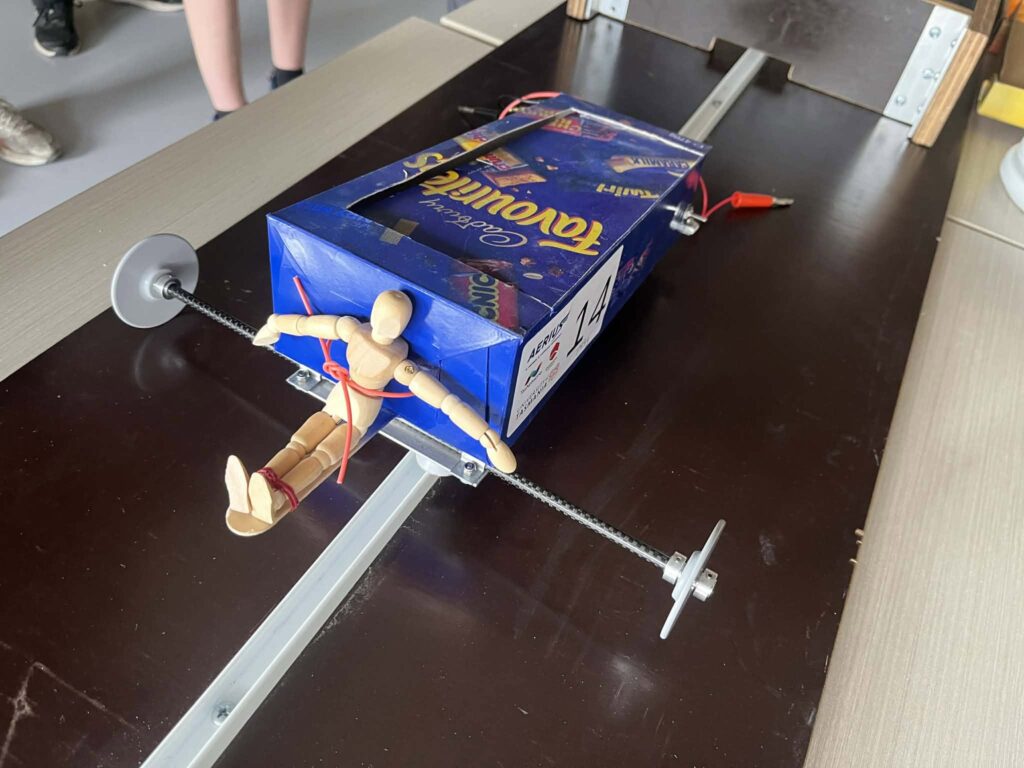
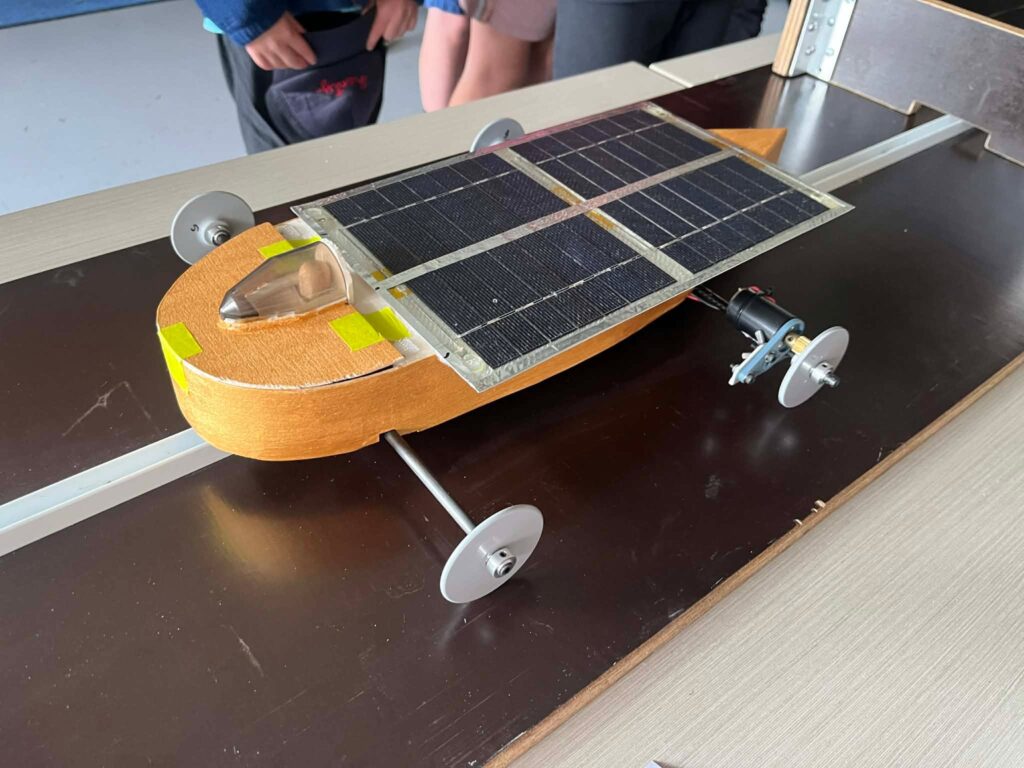
The manakin is free to have air flow over it (above left) but adding a streamlined cabin or cockpit will make your car more aerodynamic (above right).
3) A minimum area of 100x50mm must be available on each side of your design for attaching car number stickers. This area can be on your car body, your prism, an extended side panel or even a set of standalone fins. Most cars will likely meet this rule without even trying but keep it in mind if going for a more radical design.
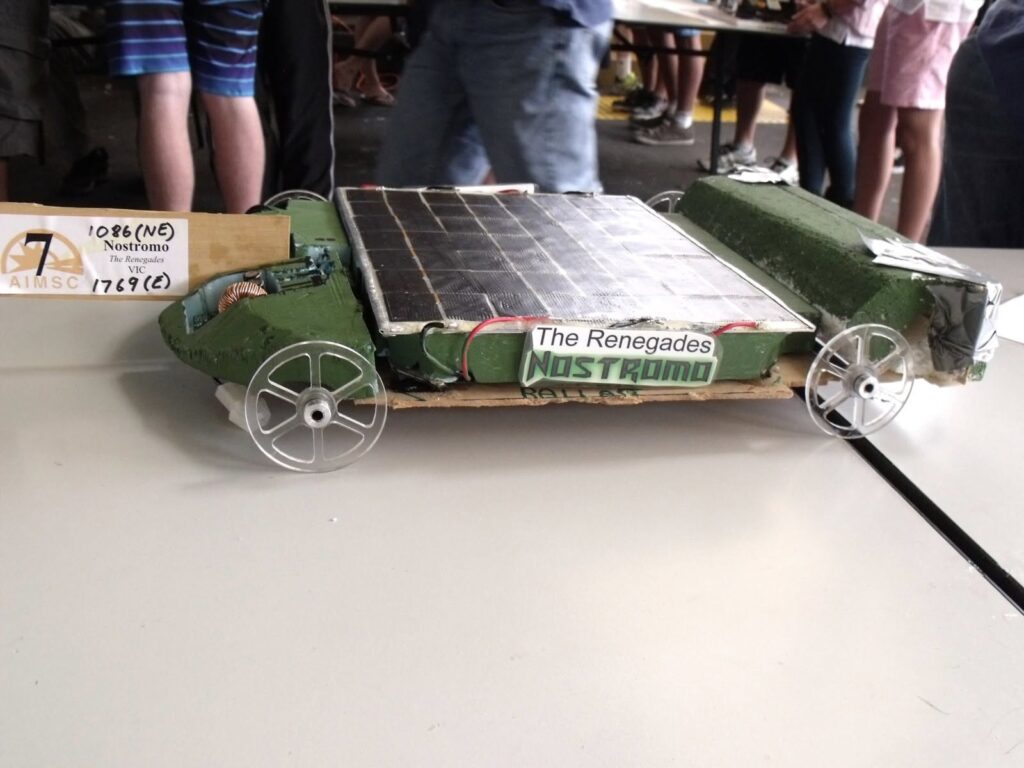
(Above) The 100mm x 50mm side panel area needs to provide a solid surface for attaching a number sticker and can be part of the car body (above left), prism or an additional fin (above right).
4) Cars can be powered by either a solar panel provided by the TMSC or one supplied by your team. Our tip is to go for your own since this will give you more control over how it’s put together. Things like panel voltage, aerodynamics, weight, wiring and connector type are then down to you. Less weight means more ballast can be carried lower down in your car and make it more stable. Panels like Scorpio Technology’s SOLAR26 and Kite Magic’s SP60B weigh just 50g to 80g and can be used standalone but we do recommend mounting them to at least some kind of rigid backing for extra protection. Using something like a thin sheet of aluminium will also act as a heatsink to help slow the solar cells from heating up too quickly.
All car panels will undergo power testing and be ballasted according to the formula found in section 6.4 of the regulations. If you do the calculations then you’ll find that a 5W panel needs to weigh just 140g while a 7W panel must weigh 540g. The different weights are used to even out the competition for varying panel powers and you won’t know exactly how much power your panel produces until we test it. Even two like panels from the same supplier will have some variation. You shouldn’t worry too much about going for a specific panel power but rather just make sure that your panel weight is going to be well under for the power you expect it to produce.
We’ll look at a few different panel options in one of our upcoming posts but, as a quick example, consider the popular SOLAR26 panel from Scorpio Technology. This weighs approximately 50g and is rated at over 5.5W. The ballasting formula requires a 5.5W panel to weigh 240g so that leaves you with 190g of headroom of dead weight needing to be carried elsewhere in the car. Or you can mount the panel to say a 1mm thick sheet of flat aluminium of the same size to make it a bit more robust for a 150g panel. That’s now 90g of headroom and still allows for some ballast to be carried lower down in the car (for a lower centre of gravity and better car stability).
5) Electronic maximum power point controllers will improve the power delivered to your car motor from the solar panel under a wide range of loads. This results in better car acceleration from the start gate and also means gears don’t need changing as often across different weather conditions. Car participants using one of these electronic units were required to carry an extra 200g weight penalty last year (and had to work out if the added weight was worth it or not) but the rule no longer applies in 2026. It’s therefore strongly recommended that all teams use a unit like the Automax or Picaxe 08M2 to maximise their car’s performance (both available from Scorpio Technology). Both these units have a total capacitance well under the 5mF limit in the regulations so you’re all good to use either one.
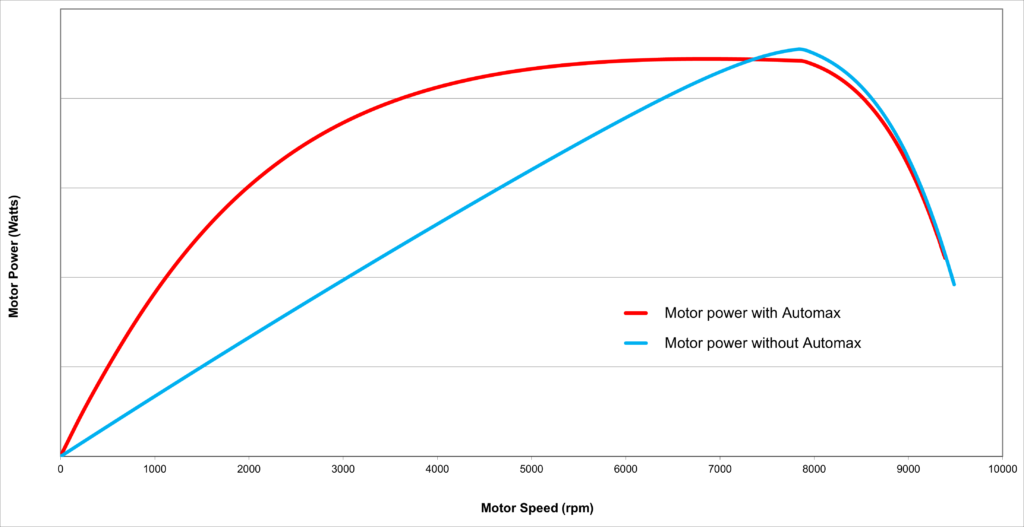
(Above) An electronics controller like the Automax or Picaxe 08M2 will provide more motor power across a greater range of operation (red plot) than just a solar panel alone (blue plot).
Boats
The boat regulations are a bit simpler and present participants with a pretty open array of possibilities. The key rules for this year include:
1) Boat teams must now all start out racing with a 6V 5W 80g TMSC (270mm x 130mm) solar panel and one of these is now included in the new 2026 starter boat kits. If you’re using an older kits or your own set of parts then please get in touch so we can supply you with one. Other panels are still permitted but only in later knockout finals providing the cell area is no greater than 350 cm2.
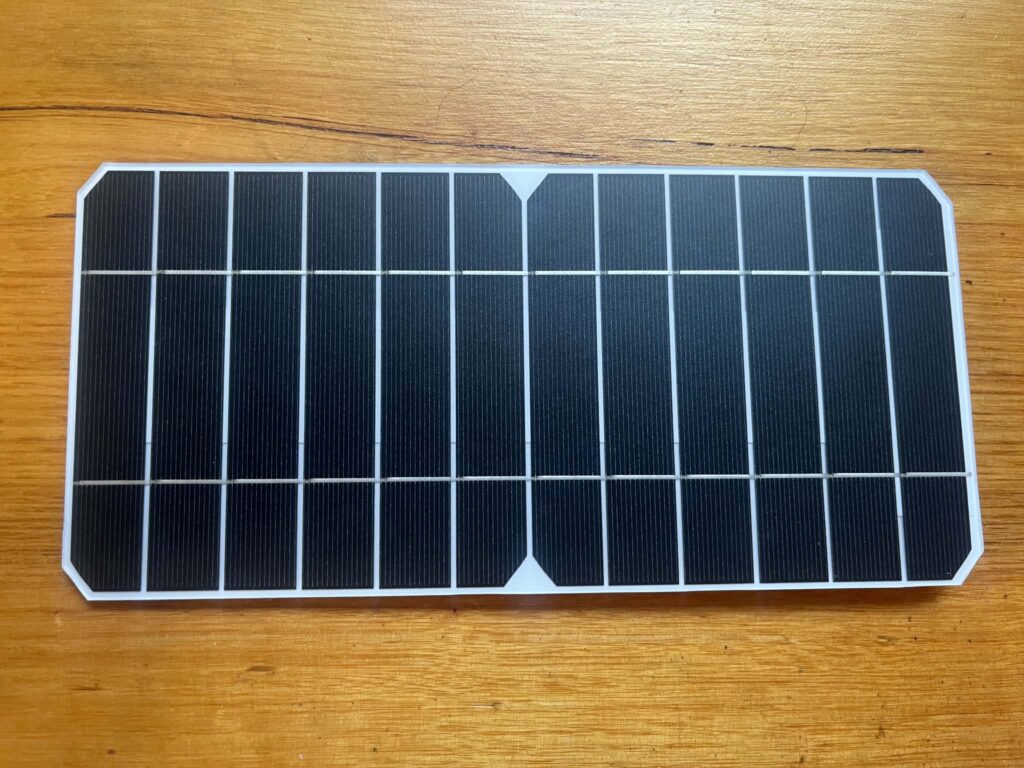
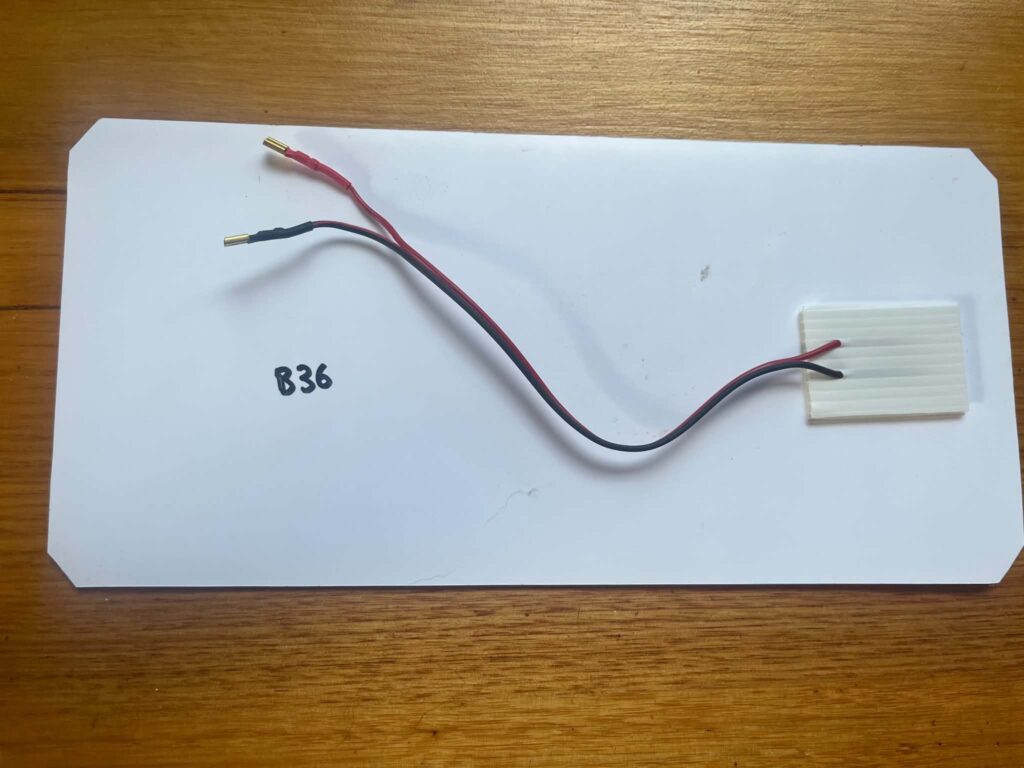
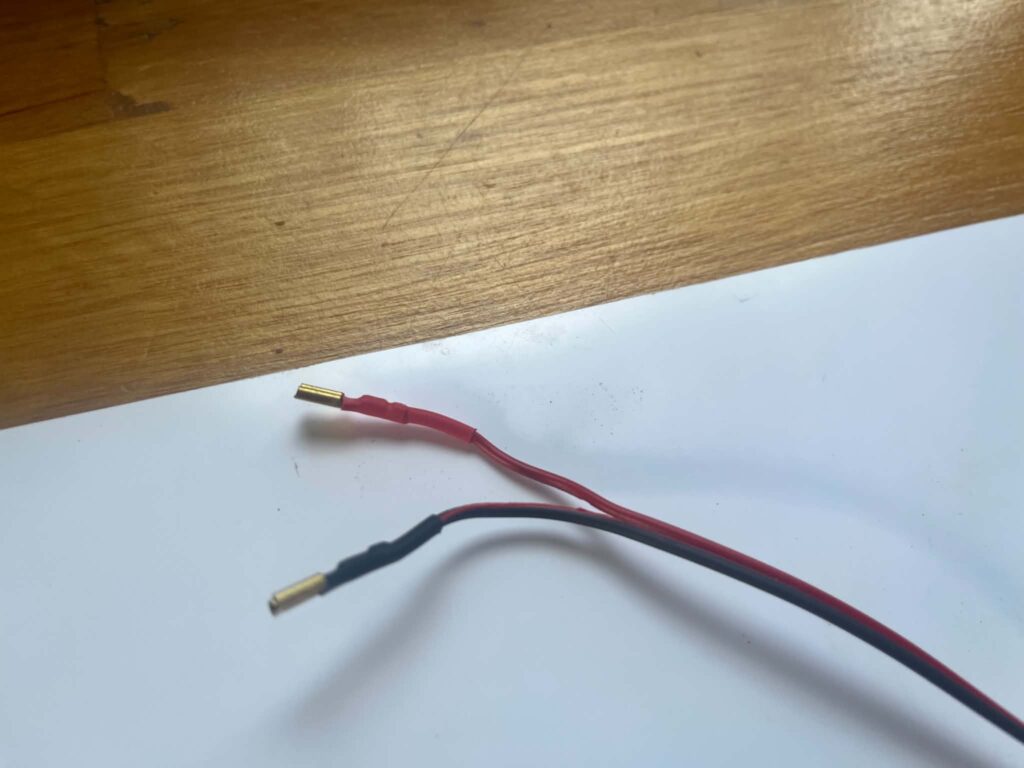
(Above) The new 6V 5W TMSC boat panel weighs approximately 80g and measures 270mm long x 130mm wide and comes with mini spade connectors that slide straight onto the terminals of the SM403 motor included in our boat starter kits.
2) The cost limit of primary school boat motors is $12 and our TMSC boat kits all include an SM403 motor This motor has some very good performance for its price point and is included in all our TMSC kits. There may be some other options out there but this motor is the benchmark and easily sourced here in Australia from Scorpio Technology. The high school division continues to have no limit on motor cost and we’ll look at a few other options in an upcoming post about the boats.
3) Boats must follow a guide line suspended 200mm above the water. This is normally achieved using a pair of sticks/poles (one front and one rear) with a hook on the end that loops over the guide wires. Boats that track straight may get away with only using a single pole at the front